

🧩 Visual Frameworks & Illustrations
🌟 Project -Educational and Training Platforms – Overview
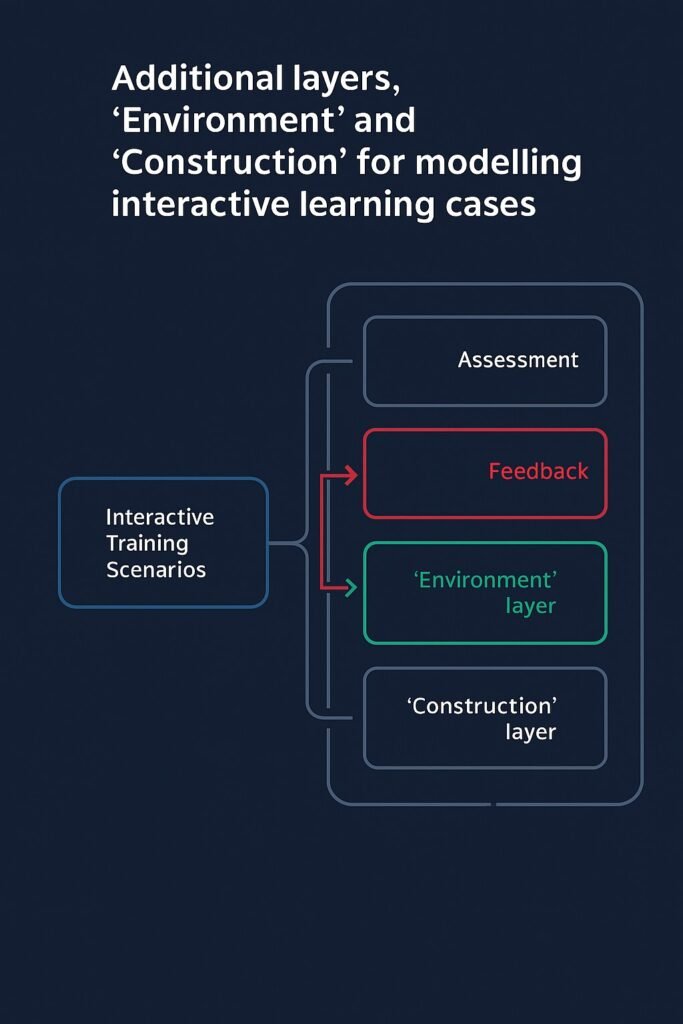
Under my leadership at BS&S–Teleform, we developed advanced automated training systems specifically designed for the Ministry of Education of the Russian Federation. These solutions improved educational effectiveness by incorporating interactive, scenario-based learning technologies and advanced simulation tools to enhance practical skills.
🔧 Key Objectives & Challenges
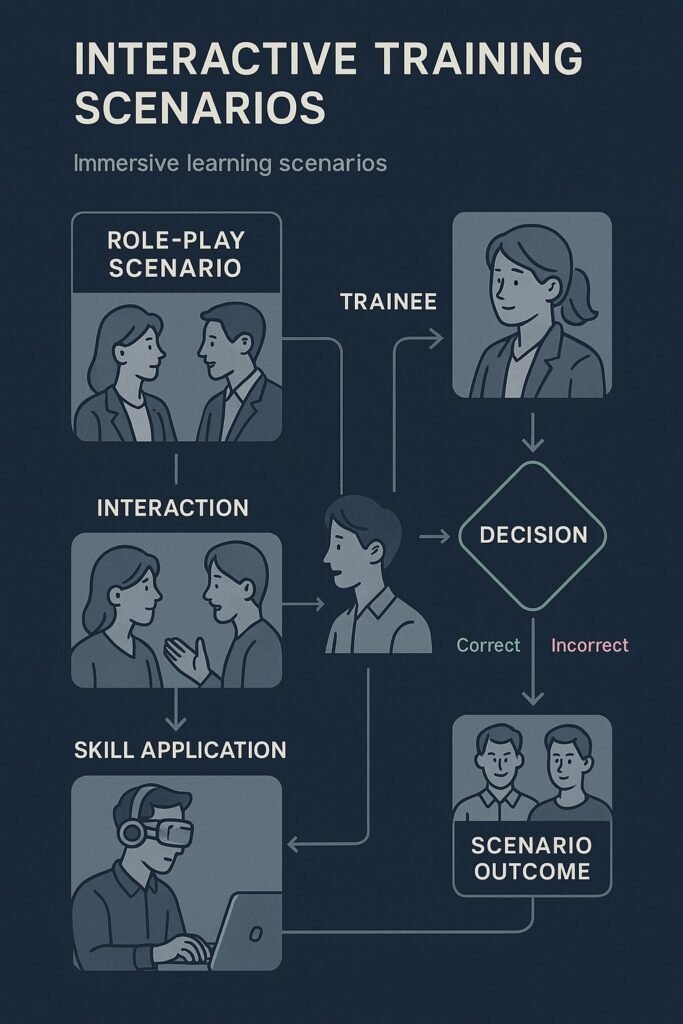
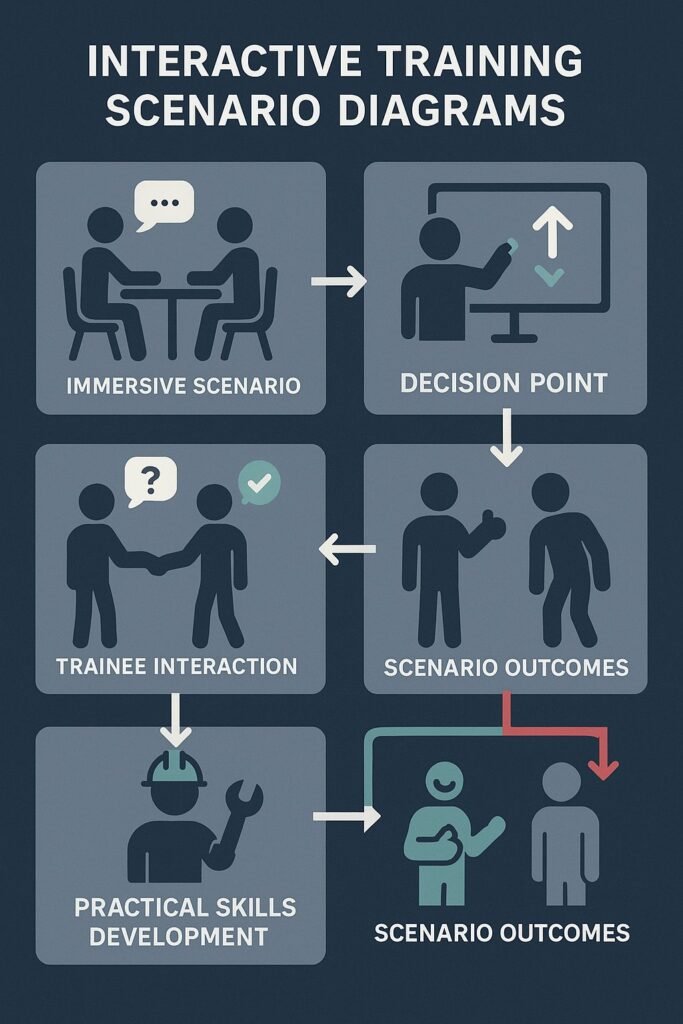
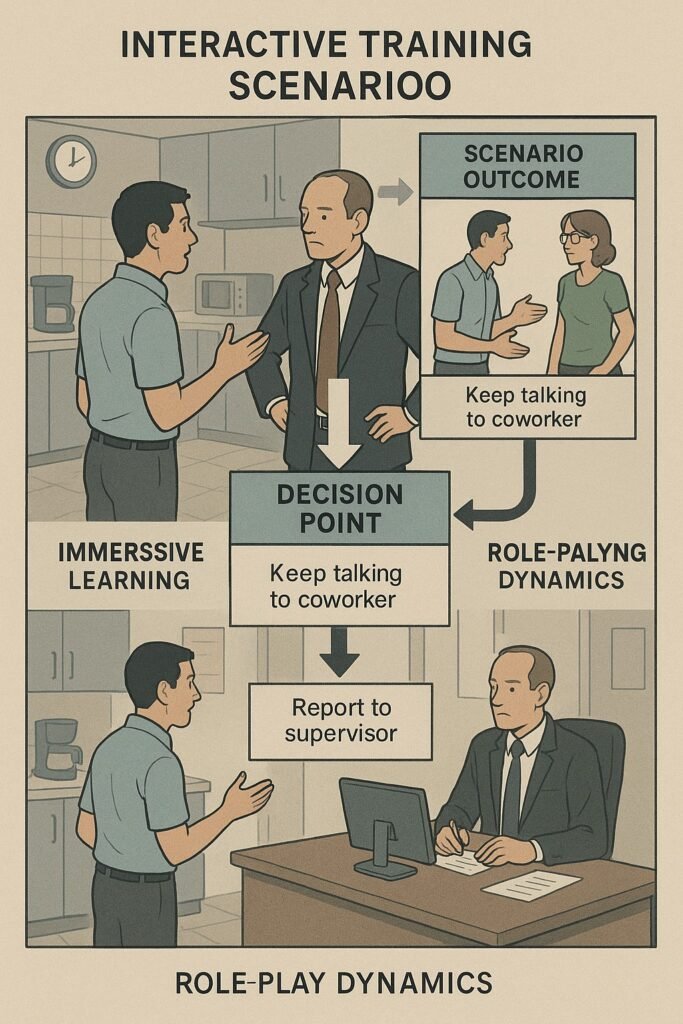
Interactive Training: Create immersive, scenario-based learning environments for realistic skills training.
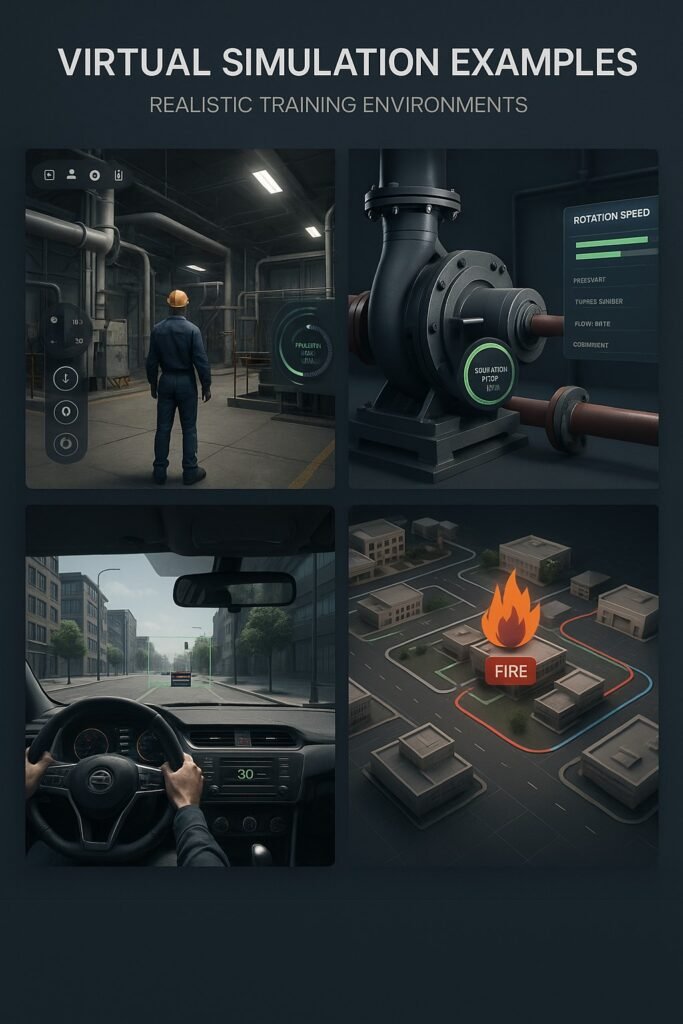
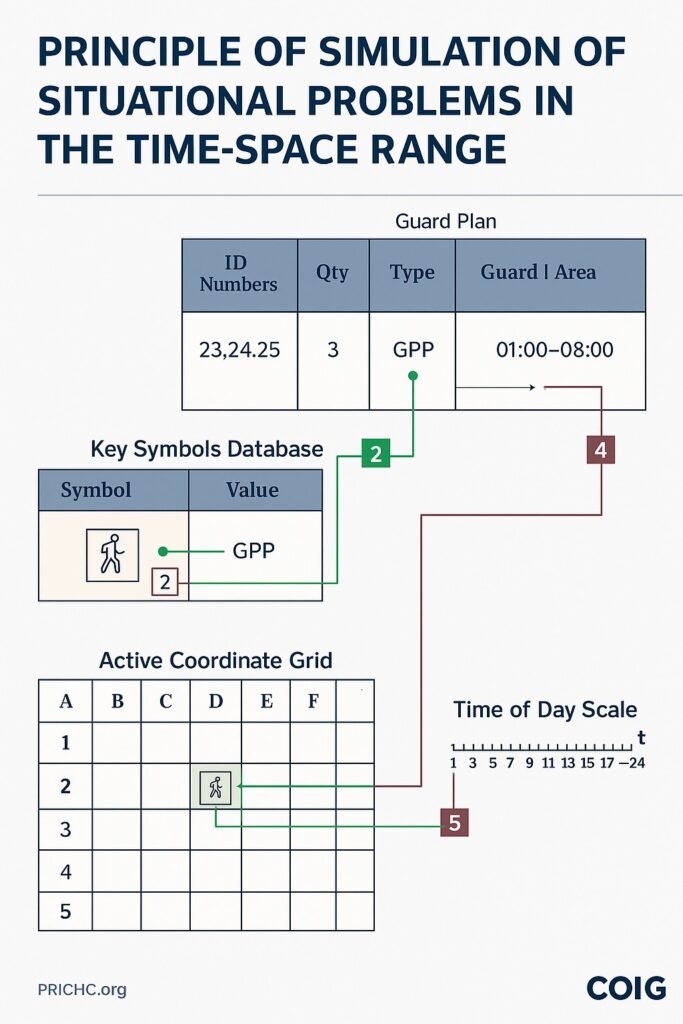
Simulation Capabilities: Develop virtual simulations of real-life processes to enhance understanding and engagement.
Accessibility & Adaptability: Offer flexible training solutions that are adaptable to various educational requirements and learner categories.
🔍 Technological Approach & Innovations
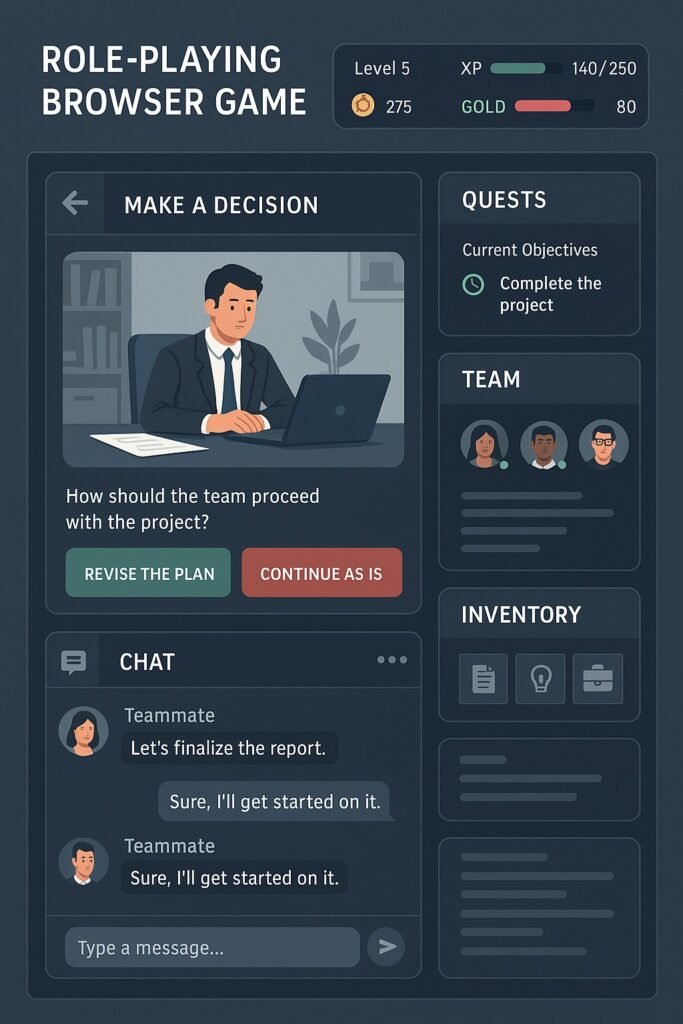
Interactive Role-Playing Browser Games: Implemented advanced role-playing techniques for immersive training, effectively simulating real-life scenarios and decision-making environments.
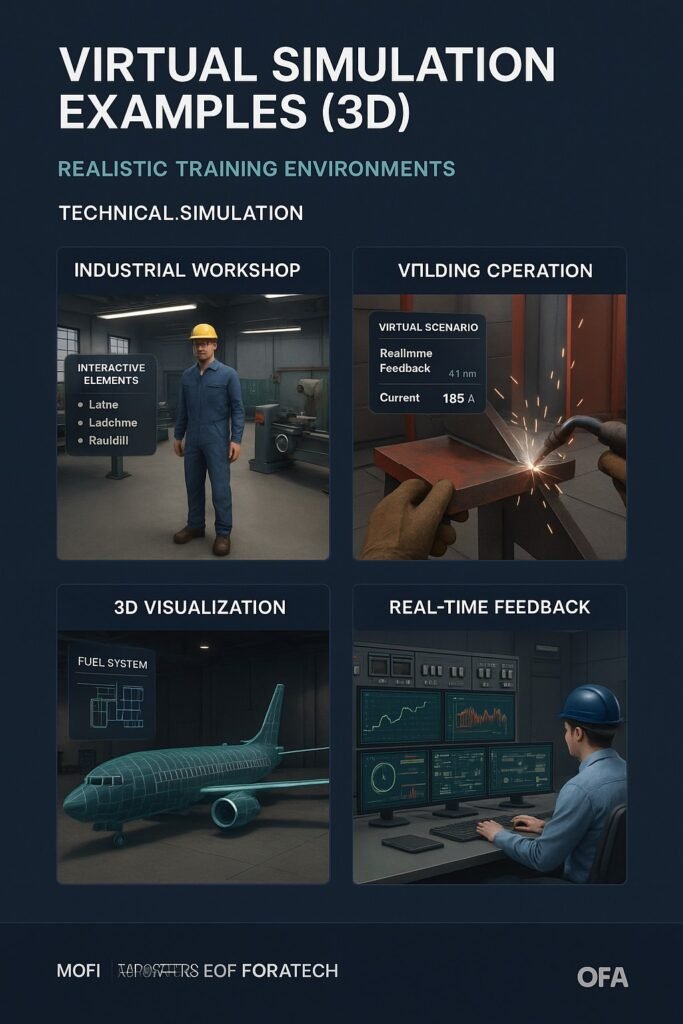
Virtual Training Complexes (ATS): Created ATC using 3D visualization and virtual models of modern technical instruments, enhancing collective action skills and providing realistic, scenario-based training.
Automated Signalization Systems (“Tutor-2″): Developed automated learning systems designed for comprehensive study and practical training in modern signalization equipment using advanced simulation techniques.
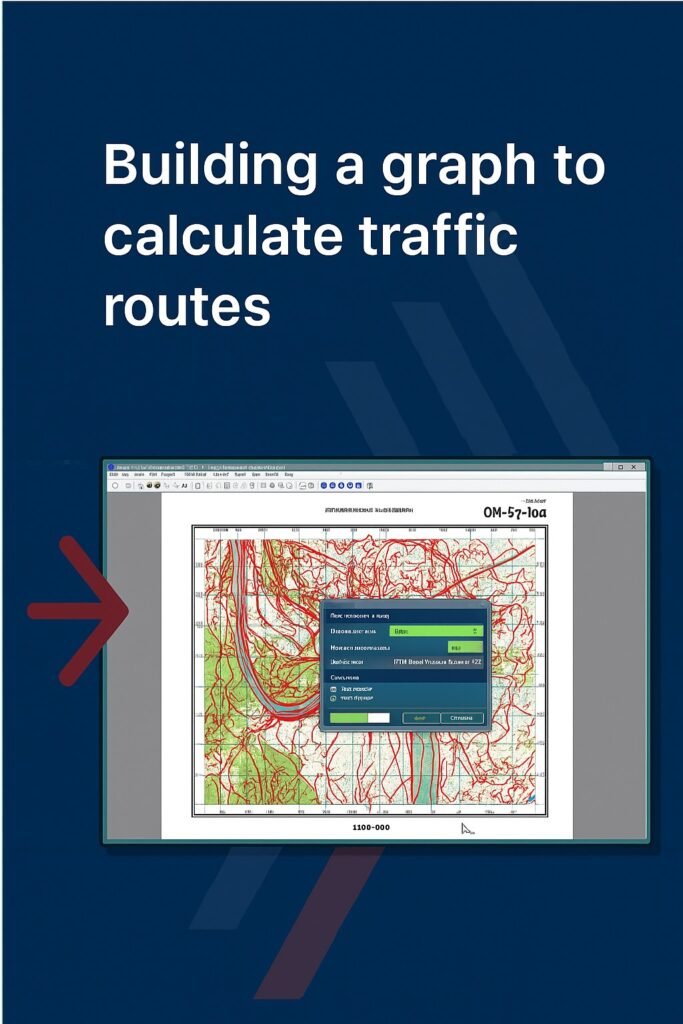
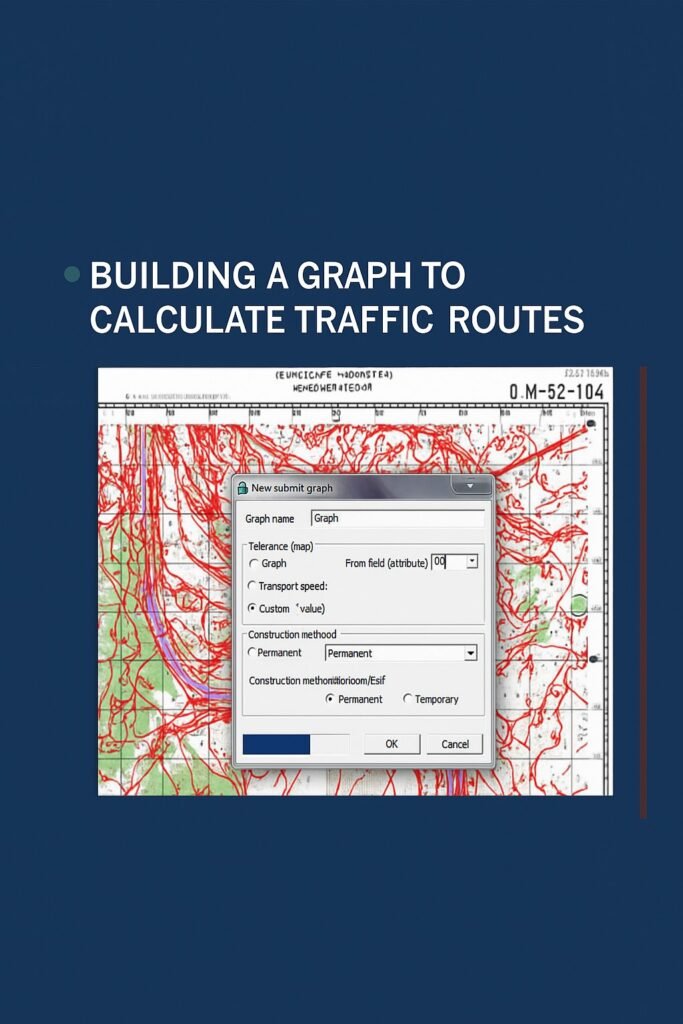
Geo-information and 3D Visualization: Integrated geographic information systems (GIS) to accurately represent real locations and situations in virtual training environments, enabling realistic scenario analysis and planning.
📊 Results & Measurable Outcomes
Enhanced Learning Effectiveness: Improved practical skills and decision-making capabilities, significantly reducing training time by approximately 40%.
Realistic Training Environment: Increased learner engagement and retention rates through scenario-based immersive training.
Flexible & Cost-effective Training: Reduced costs associated with physical resources and training time, using virtual simulations and interactive scenarios.
Improved Skill Acquisition: Notably enhanced trainees’ ability to manage real-life scenarios, with improved accuracy and confidence in operational contexts.
🎯 My Leadership Role & Contributions
Oversaw strategic design, technological integration, and comprehensive implementation of automated training systems.
Coordinated multidisciplinary teams, ensuring educational and technological alignment with Ministry requirements.
Managed quality control, process optimization, and continuous improvement initiatives throughout the project lifecycle.
🚀 Strategic Importance Conclusion
The implementation of automated training systems significantly transformed the educational approach of the Ministry of Education, providing a robust, realistic, and interactive training environment that maximized educational outcomes and skills proficiency for trainees.